July 17, 2026
We rely heavily on our electrical systems every single day to power everything from our refrigerators and HVAC units to our smartphones and home entertainment systems. Yet, most homeowners don't realize how vulnerable their sensitive electronic devices are to sudden spikes in voltage. While many people believe that power surges only happen during major summer thunderstorms, the truth is that the majority of electrical surges are small, internal events that occur multiple times a day when large appliances cycle on and off. Every time your air conditioner or refrigerator kicks on, it sends a mini-spike through your wiring, slowly degrading delicate circuitry and quietly shortening the lifespan of your valuable household electronics.
Over time, these minor disruptions degrade the delicate circuitry inside your expensive appliances, leading to premature failure and costly replacements. Protecting your household requires a proactive approach rather than waiting for a catastrophic event to wipe out your electronics. Ensuring that your electrical system is equipped to handle these fluctuations is essential for long-term peace of mind, and investing in comprehensive home surge protection is the single most effective way to safeguard your property. By learning how to recognize the subtle symptoms of electrical stress, you can take action before minor issues escalate into major hazards.
1. Recognizing Frequent Circuit Breaker Tripping
When your circuit breakers trip on a regular basis, it's your electrical system trying to tell you that something is seriously wrong. Circuit breakers are designed to shut off the flow of electricity when a circuit becomes overloaded, preventing the wires from overheating and potentially starting a fire. If you find yourself constantly walking to the electrical panel to reset a breaker after plugging in a vacuum cleaner or running the microwave, your home is likely experiencing frequent power fluctuations.
These repeated overloads expose your appliances to unstable currents, which can damage their internal components over time. Many homeowners assume that resetting the breaker isn't a sufficient solution, but this behavior actually ignores the underlying vulnerability of their electrical setup. A system that is constantly on the edge of overloading is highly susceptible to massive voltage spikes. This is why home surge protection is so vital, as it acts as a secondary shield that manages unexpected voltage spikes before they can bypass your breakers and destroy your plugged-in devices.
2. Spotting Flickering or Dimming Lights
If you notice that your light fixtures temporarily dim or flicker when your air conditioner kicks on or when your refrigerator starts its cooling cycle, you're witnessing a localized power struggle. This common phenomenon occurs because these large, motor-driven appliances demand a massive amount of electrical current to start up, momentarily drawing power away from other circuits in your home. While a brief flicker might seem like a minor annoyance, it actually indicates that your electrical system is struggling to distribute power evenly.
These sudden shifts in electrical demand generate small, internal surges that travel throughout your home wiring, quietly degrading your sensitive smart devices and computers. Ignoring these visual cues can lead to the sudden failure of your most expensive electronic equipment. Installing professional home surge protection addresses these internal fluctuations by stabilizing the incoming voltage and absorbing excess energy, ensuring that your lighting remains steady and your delicate electronics aren't subjected to constant, destructive voltage swings.
3. Hearing Strange Buzzing or Clicking Sounds
A healthy electrical system should operate in complete silence, so hearing unusual noises from your walls or outlets is a major warning sign. If you ever hear a persistent buzzing, humming, or clicking sound near your outlets, switches, or your main electrical panel, you're likely dealing with loose wiring or a failing connection. When electrical connections lose their grip, electricity is forced to jump across the gap, creating an unstable arc of current that generates heat and noise.
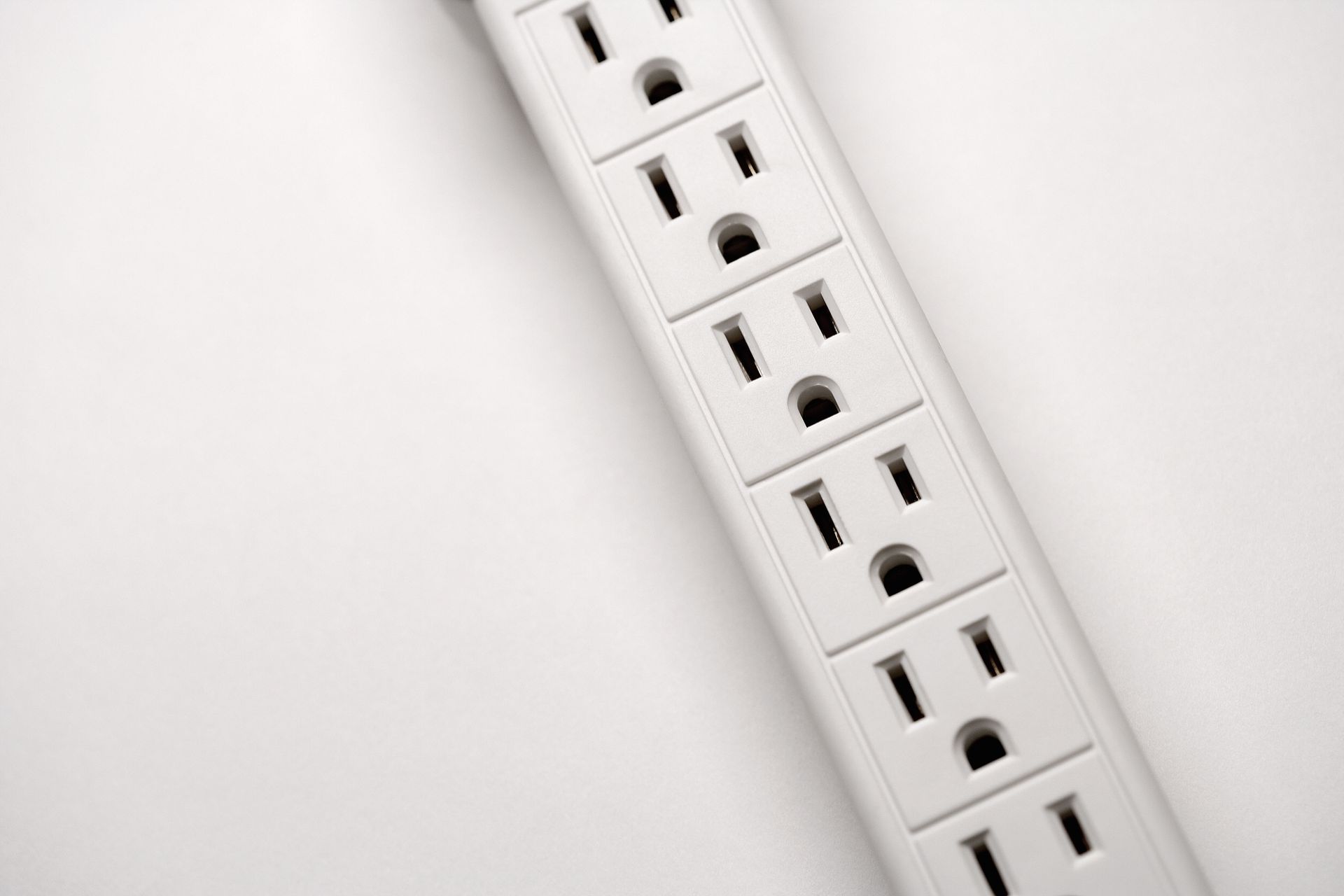
This arcing behavior is incredibly dangerous because it produces intense localized heat and highly unpredictable voltage spikes that can instantly ruin your electronics. Relying on basic power strips isn't enough to handle the severe fluctuations caused by arcing wires inside your walls. Investing in dedicated home surge protection provides a robust barrier against these erratic electrical events, protecting your entire household wiring network from the devastating consequences of an unexpected internal surge while you work to get the physical wiring repaired.
4. Feeling Warm or Discolored Outlets
Outlets and switch plates should always remain cool to the touch, regardless of how many devices you've plugged into them. If you notice that an outlet feels warm, hot, or displays localized discoloration like brown or black scorch marks, you're facing a serious safety hazard. Warmth and discoloration indicate that electricity is encountering high resistance or that there's a dangerous thermal buildup occurring behind the drywall. This resistance can cause extreme voltage irregularities that threaten any device plugged into that specific circuit.
Under these conditions, a sudden external surge from the utility grid or a nearby lightning strike can easily ignite a fire. According to the National Fire Protection Association, the eight-hour window from midnight to 8:00 a.m. represents the most hazardous period for residential electrical fires, claiming 52 percent of all civilian victims. Implementing comprehensive home surge protection helps mitigate the electrical risks associated with these unstable conditions, giving you an extra layer of defense against devastating voltage spikes during the most vulnerable hours of the night.
5. Smelling Burning or Unusual Odors
One of the most urgent indicators of an electrical emergency is the distinct smell of burning plastic or ozone near your appliances or outlets. When electrical insulation overheats and begins to melt, it releases a sharp, acrid odor that should never be ignored. This smell means that a wire is actively burning or that an electrical component is on the verge of failing completely. During these moments of thermal stress, your electrical system is incredibly unstable, making it highly susceptible to catastrophic power surges that can spread destruction across your entire home.
If you ignore this smell, you run the risk of experiencing a major house fire or losing every connected appliance in an instant. Understanding the benefits of home surge protection becomes incredibly clear in these high-stakes situations, as a whole-house system is designed to divert excess electricity safely into the ground, preventing a localized failure from turning into a widespread disaster.
Your home is your sanctuary, and the complex electrical system running behind your walls is what keeps it comfortable, functional, and modern. However, neglecting the subtle signs of electrical wear and tear can leave your valuable electronics, your appliances, and your family at risk. From flickering lights to warm outlets, these warnings are clear signals that your electrical system requires professional attention and modernization. Ensuring that your home is equipped with modern safety features isn't just about convenience; it's about securing your peace of mind.
Prioritizing home surge protection is one of the smartest investments you can make to protect your household from the unpredictable nature of utility grid fluctuations and internal power spikes. Making home surge protection a priority ensures that your home remains safe, efficient, and fully prepared for whatever electrical challenges arise. By taking this vital step, you safeguard your valuable appliances, secure your family's daily peace of mind, and prevent costly emergency repairs down the road. For reliable, professional electrical inspections and expert installations throughout the Union, Kentucky area, contact Nabi Electric.