November 19, 2026
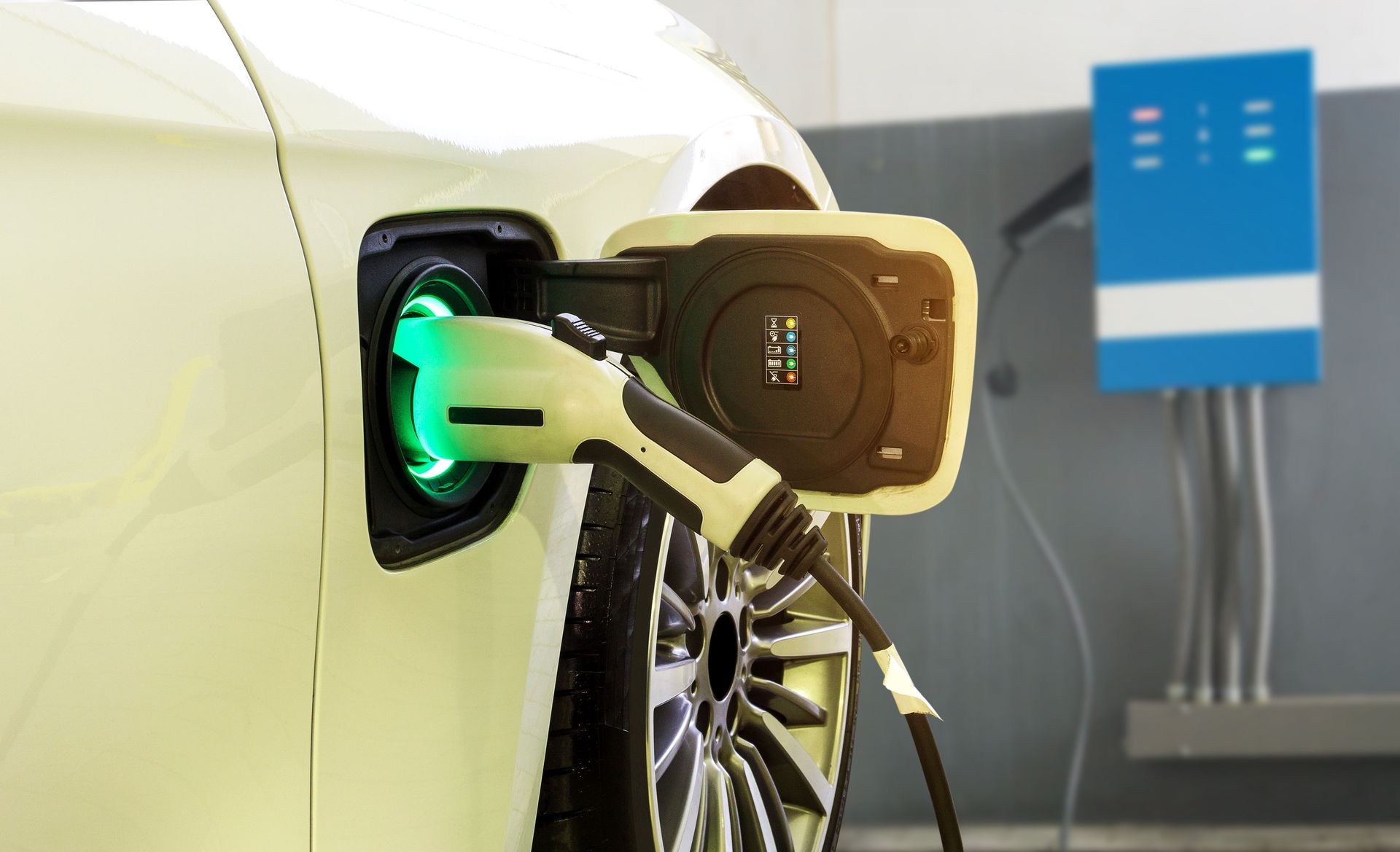
Bringing home a new electric vehicle is an exciting milestone. You get instant torque, a whisper-quiet ride, and the immense satisfaction of bypassing gas stations for good. Yet, the true convenience of driving an electric car hinges almost entirely on your charging routine. Relying solely on commercial DC fast chargers or public Level 2 curbside plugs can quickly turn routine errands into frustrating waiting games. According to the IEA, over 85% of EV owners in the U.S. can charge at home, cementing residential charging as the most common method.
To turn your garage or driveway into an effortless personal fueling depot, you need a dedicated 240-volt Level 2 charging station. However, adding a continuous high-draw electrical appliance to your home’s electrical infrastructure is not a standard do-it-yourself weekend project. It demands professional expertise, meticulous load calculations, and adherence to rigorous electrical codes.
Before committing your hard-earned money and inviting a contractor into your home, you must ensure you are hiring the right professionals for the job. Vetting prospective contractors with pointed, technical inquiries protects your property, prevents electrical overloads, and guarantees a seamless charging experience. Here are seven critical questions you should ask professional EV charger installers before signing a contract or booking your installation.
1. Are You Licensed, Insured, and Experienced with EV Charging Systems?
While any licensed electrician can theoretically pull wire and install a two-pole breaker, electric vehicle supply equipment (EVSE) presents unique operational dynamics. EV charging represents a continuous electrical load—meaning it draws sustained maximum amperage for hours at a time, often overnight.
When interviewing prospective EV charger installers, you must confirm three fundamental credentials:
- Current Electrical Licensing: Verify that the technician or company holds an active state or municipal electrical contractor license.
- Liability and Workers' Compensation Insurance: Ensure they carry comprehensive general liability insurance to protect your property in the event of accidental damage or electrical fires.
- Specific EV Experience: Inquire about their track record with major charging hardware brands (such as Tesla Wall Connectors, ChargePoint, Emporia, or JuiceBox) and whether they participate in recognized training programs like the Electric Vehicle Infrastructure Training Program (EVITP).
An installer specialized in high-draw, continuous-duty residential setups will immediately recognize nuances that a general handyman might overlook, such as terminal torque specifications and thermal dissipation.
2. Will You Perform a Formal Electrical Panel Load Calculation?
Adding a 40-amp, 50-amp, or 60-amp circuit to an existing electrical panel is not as simple as checking if an open slot exists in your breaker box. An open physical space does not mean your service panel has the remaining electrical headroom to support an intensive, continuous draw.
Ask candidates whether their quotation includes a comprehensive National Electrical Code (NEC) load calculation. This engineering assessment tallies the aggregate wattage demands of your existing major appliances against your home's total utility service capacity.
Reputable EV charger installers will never guess or eyeball panel capacity. If your current service is nearing maximum capacity, a trustworthy installer will present concrete solutions, such as:
- Upgrading your main electrical panel and service drop.
- Installing a subpanel to balance circuit distribution.
- Integrating a smart energy management system or dynamic load-shedding device that throttles the charger’s output when high-demand appliances turn on.
3. Do You Recommend a Hardwired Unit or a NEMA 14-50 Plug-in Setup?
Level 2 home chargers generally connect to your electrical infrastructure in one of two configurations: hardwired directly into a dedicated junction box, or plugged into a heavy-duty 240-volt receptacle (typically a NEMA 14-50 or 6-50 outlet).
A knowledgeable installer will weigh the advantages and trade-offs of both options based on your parking layout and charging expectations.
Hardwired connections support higher charging speeds (up to 48A or 11.5 kW on a 60A breaker), provide weatherproof durability for outdoor mounting, eliminate additional points of thermal resistance, and avoid nuisance tripping caused by external ground-fault breakers. The primary trade-off is that hardwired units remain in a fixed location and require an electrician to disconnect or relocate if you move.
Plug-in setups, on the other hand, offer portability and allow you to easily replace or upgrade the charging unit yourself. However, they are restricted to a maximum of 40A charging on a 50A circuit, require industrial-grade receptacles to prevent melting under continuous loads, and are prone to nuisance tripping. Skilled EV charger installers should explain that recent NEC guidelines mandate Ground Fault Circuit Interrupter (GFCI) breakers on garage 240V outlets. Because smart EV chargers already contain internal GFCI monitoring circuitry, pairing them with an external GFCI breaker can cause annoying nuisance trips that leave you with an uncharged battery by morning. A seasoned professional will help you choose the right path for your specific home layout.
4. Will You Handle the Municipal Permits and Coordinate the Final Inspection?
Never bypass the formal permitting process to shave a few dollars off an estimate. In almost all jurisdictions, running a dedicated 240-volt circuit and installing electric vehicle supply equipment legally requires a residential electrical permit and an on-site post-installation inspection by a municipal building inspector.
Ask your contractor directly if their quote includes filing permit paperwork, paying administrative fees, and scheduling the final inspection. If a technician suggests skipping permits to save time or money, treat it as an immediate red flag. Unpermitted electrical work can void manufacturer equipment warranties, violate municipal building ordinances, and give homeowners insurance providers a legal pretext to deny claims should an electrical fire ever occur.
5. What Specific Gauge and Type of Wiring Do You Plan to Use?
Because EV charging involves sustained continuous loads, high thermal resistance is critical. Cheaper aluminum wiring or undersized conductors can overheat, degrade insulation over time, and create severe fire hazards.
Ask the contractor to detail the exact wire specifications they intend to run from the breaker panel to the charger location:
- Conductor Material: Insist on solid or stranded copper wiring rather than standard residential aluminum wire.
- Wire Gauge: For a 50-amp circuit, 6 AWG copper is typical, while a full 60-amp circuit delivering 48 amps of continuous charging demands heavy 4 AWG copper wire.
- Conduit vs. Romex: Inquire whether the wire run will be routed through protective rigid or EMT metal conduit, or fed through finished walls using non-metallic sheathed cable (NM-B). Keep in mind that standard NM-B cable carries lower thermal threshold ratings compared to conductors run in protective conduit (such as THHN/THWN-2 wire).
A technician who readily explains their material selections demonstrates a clear commitment to safety and engineering excellence.
6. Can You Help Me Identify Utility Rebates, Tax Credits, and Time-of-Use Savings?
The transition to home electrification is supported by numerous financial incentives, but navigating the qualification paperwork can feel overwhelming without guidance. Many local electric utilities offer substantial financial rebates to offset the installation cost of Level 2 chargers, often ranging from several hundred to over a thousand dollars.
In addition, federal programs like the Alternative Fuel Vehicle Refueling Property Credit (Section 30C) provide federal tax credits for qualifying hardware and installation costs in eligible census tracts. Top-tier EV charger installers stay current on regional utility programs and can help guide you toward qualifying Energy Star-certified smart chargers.
7. What Warranties Do You Provide on Parts and Labor?
A charging station is an everyday appliance that will endure hundreds of plug-in cycles and continuous power delivery in all seasons. You need peace of mind knowing that your investment is backed by responsive, reliable support.
Before booking, clarify where the manufacturer's equipment warranty ends and the contractor's labor warranty begins. While reputable charger manufacturers provide two- to three-year warranties on their charging units and cables, quality EV charger installers should back their workmanship with an independent labor and parts warranty spanning at least one full year. Be sure to ask how warranty claims are handled if a breaker trips repeatedly, if conduit fittings loosen, or if the unit stops communicating with your vehicle.
Switching to an electric vehicle brings freedom, efficiency, and lower operating costs, but having a safe and dependable home charging setup is what ties the entire ownership experience together. By vetting potential contractors with these seven critical questions, you eliminate guesswork, safeguard your home’s electrical system, and ensure that your charger operates safely for years to come. Taking the time to select qualified EV charger installers guarantees that your vehicle will be fully charged, safely powered, and ready for the road whenever you are.