October 19, 2026
Older homes often have unique architectural details, established neighborhoods, and a charm that newer properties may lack. However, their electrical systems may not be equipped to handle the demands of modern appliances, electronics, and household equipment. An outdated electrical panel can limit available power, contribute to recurring electrical problems, and create safety concerns if the system is no longer suitable for the home. Homeowners who notice warning signs should consider having a qualified electrician evaluate their existing setup. Depending on the panel's condition and the property's electrical needs, an upgrade may improve reliability and provide room for future additions. Understanding when electrical panel replacements are necessary helps homeowners make informed decisions about maintaining an older property. A professional assessment can identify existing issues and determine whether repairs or a full replacement are appropriate. Addressing electrical concerns early can also help prevent unexpected disruptions and support the safe operation of household systems.
Recognizing the Signs of an Outdated Panel
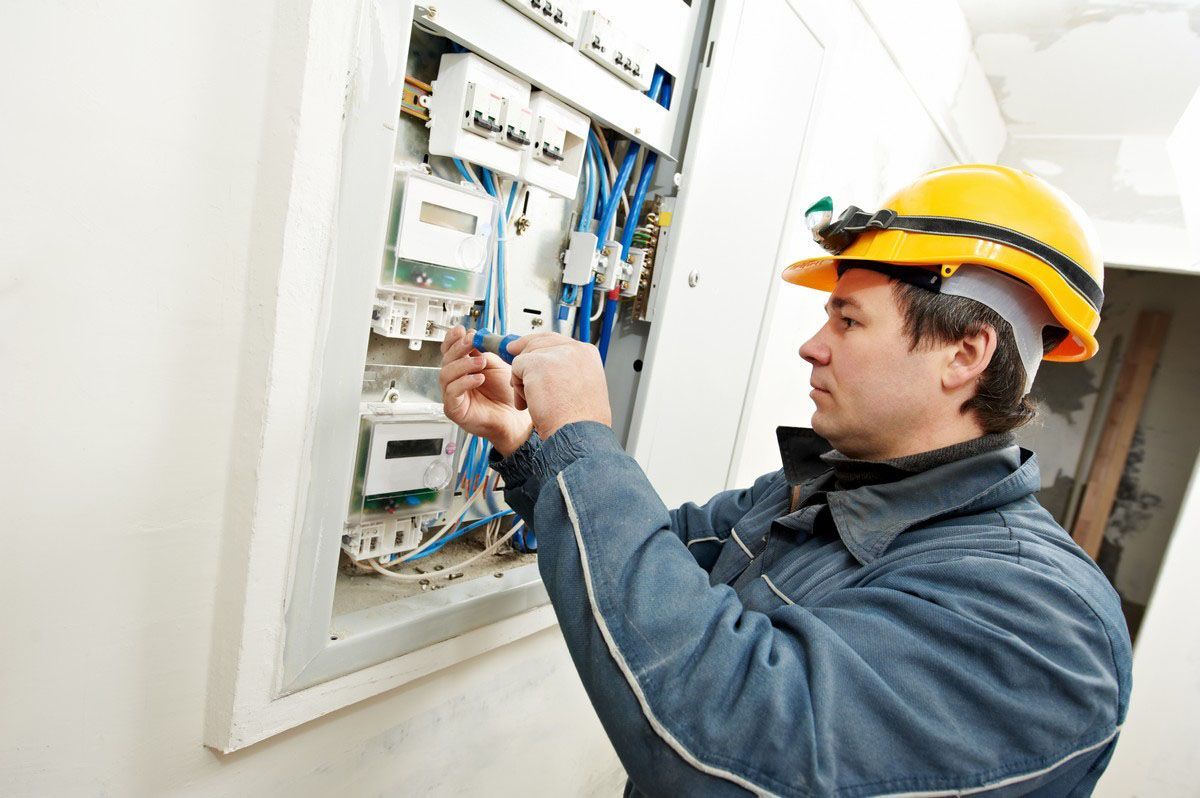
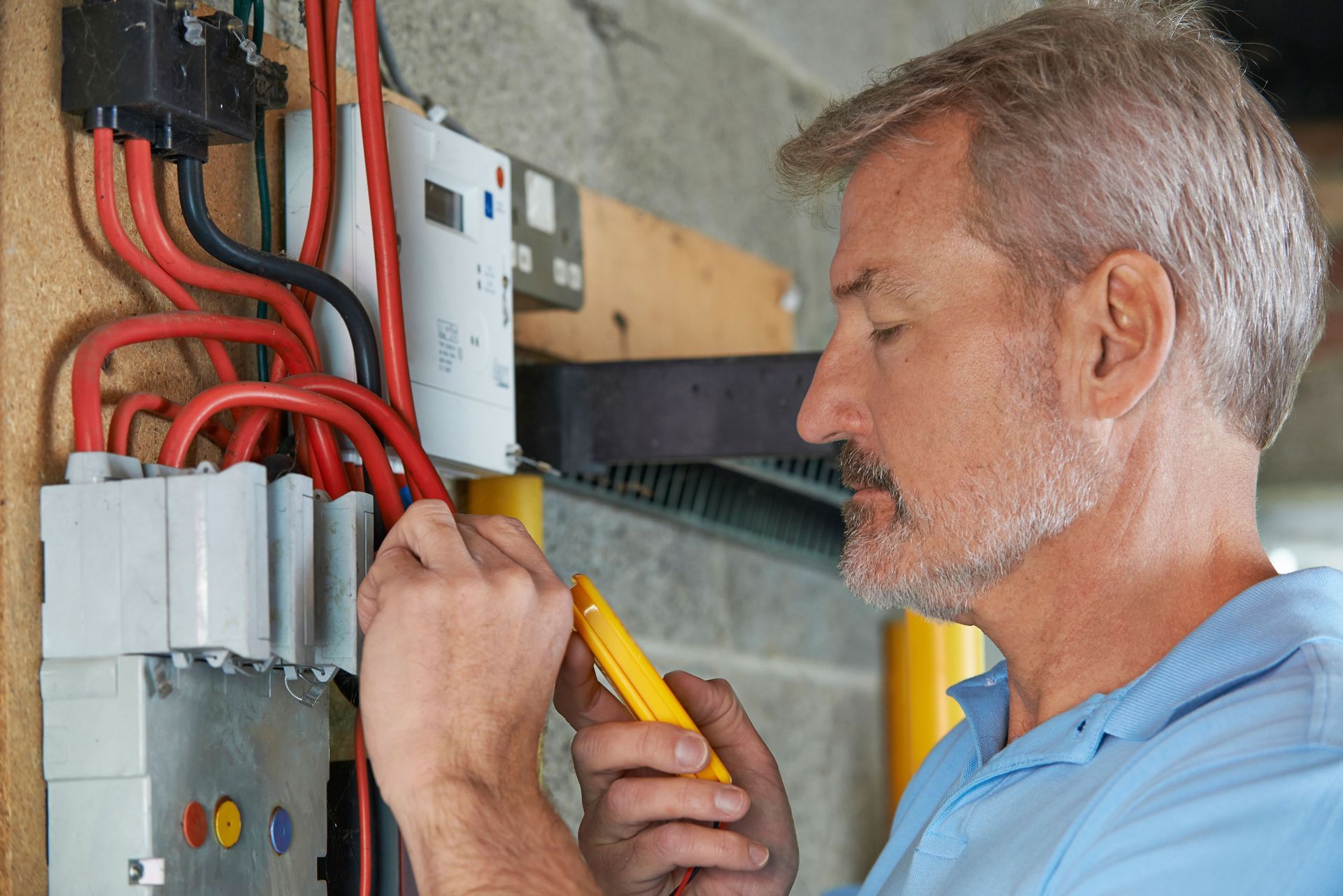
An aging electrical panel may show several warning signs that deserve professional attention. Breakers that trip repeatedly can indicate overloaded circuits, faulty equipment, or other electrical problems that need investigation. Homeowners may also notice flickering lights, buzzing sounds near the panel, or unusual warmth around its enclosure. Rust, visible corrosion, scorch marks, and burning odors are particularly concerning because they can indicate dangerous conditions. Some older homes still contain panels that lack the capacity needed for modern electrical usage. Others may have equipment that is damaged, obsolete, or no longer suitable for the property's requirements. These warning signs should not be ignored or treated as problems to solve through repeated breaker resets. A licensed electrician can inspect the system and determine whether repairs, circuit improvements, or electrical panel replacements are the most appropriate solution.
Understanding the Demands of Modern Electricity
Household electricity usage has changed significantly as technology and everyday conveniences have become more common. Homes may now operate multiple televisions, computers, kitchen appliances, heating and cooling equipment, and other devices simultaneously. Additional demands can come from electric vehicle chargers, hot tubs, workshop equipment, and home additions. An older panel may not have enough capacity or available circuit spaces to accommodate these needs safely. Attempting to add new equipment without evaluating the existing system can result in overloaded circuits or unsuitable wiring arrangements. An electrician can assess the property's electrical load and determine whether the current panel can support the expected demand. If an upgrade is needed, the electrician can explain appropriate capacity options and any related improvements. Planning for present and future electricity use helps homeowners choose electrical panel replacements that suit their property's actual requirements.
Addressing Electrical Safety Concerns
Electrical panels distribute power throughout a home, making their condition an important part of overall household safety. Damaged breakers, deteriorated connections, and improperly installed components can increase the risk of overheating and electrical faults. Homeowners should never remove panel covers or attempt repairs unless they have the necessary professional qualifications. According to the Electrical Safety Authority, unlicensed electrical work is four times more likely to have safety issues than work performed by licensed professionals. This highlights the importance of hiring a qualified electrician rather than relying on untrained repairs or improvised solutions. A professional can identify hazards, verify that components are appropriate for the system, and complete work according to applicable requirements. If a panel produces smoke, sparks, or a burning smell, homeowners should keep their distance and contact emergency services or the appropriate electrical emergency provider as warranted. Prioritizing professional evaluation helps reduce avoidable risks and supports a safer electrical system.
Preparing for New Appliances and Renovations
Home improvement projects often create new electrical requirements that older panels may not be able to accommodate. Kitchen renovations, basement finishing, room additions, and new heating or cooling equipment can all increase demand. Installing a major appliance may require a dedicated circuit or other changes to the existing electrical distribution system. Homeowners should discuss these requirements with an electrician before purchasing equipment or beginning construction. This step can reveal whether the panel has sufficient capacity and whether additional wiring or circuit protection will be necessary. It can also help coordinate electrical work with contractors responsible for other parts of a renovation. When an existing panel cannot support planned improvements, electrical panel replacements may be part of a broader modernization project. Addressing electrical capacity early helps avoid delays and supports a smoother renovation process.
Improving Reliability and Everyday Convenience
A properly functioning electrical panel helps distribute power reliably to the circuits throughout a home. When an existing panel has damaged components or cannot accommodate household demand, homeowners may experience recurring interruptions and inconvenient electrical limitations. A professional inspection can establish whether these problems originate in the panel, individual circuits, connected appliances, or another part of the system. Replacing an unsuitable panel may provide additional circuit spaces and help accommodate approved electrical upgrades. However, a new panel will not automatically resolve every electrical problem, particularly when damaged wiring or defective equipment is involved. A qualified electrician should explain which issues the proposed work will address and whether other repairs are necessary. Homeowners should also ask about any expected service interruption during the project. Understanding the scope of electrical panel replacements helps set realistic expectations about the improvements and limitations of the work.
Evaluating Panel Capacity and Compatibility
Choosing an electrical panel requires more than selecting a larger unit or one with extra breaker spaces. The correct equipment depends on the property's electrical load, service capacity, wiring conditions, and applicable electrical requirements. An electrician can evaluate these factors before recommending a replacement panel and related upgrades. Some homes may require changes to the service equipment or other components to support the proposed configuration. The electrician should also consider compatibility with existing circuits and any planned additions to the home. Homeowners can ask for an explanation of the recommended panel rating, available circuit spaces, and anticipated future needs. These details help prevent selecting equipment that is either unsuitable or unnecessarily oversized for the property. Careful planning ensures that electrical panel replacements are based on the home's actual requirements rather than assumptions about age alone.
Planning the Upgrade Process
Understanding the upgrade process helps homeowners prepare for the work and coordinate household activities. The project generally begins with an assessment of the existing panel, electrical service, connected circuits, and any visible concerns. After identifying the necessary work, the electrician can explain the proposed scope, estimated costs, and expected schedule. Permits and inspections may be required, depending on local regulations and the nature of the project. Homeowners should ask who will arrange these requirements and whether any additional work may be needed if hidden problems are discovered. Power will typically need to be disconnected during portions of the replacement, so arrangements may be necessary for essential household activities. Once the work is complete, required testing and inspections help verify that the installation meets applicable standards. A clear plan makes electrical panel replacements easier to manage and reduces uncertainty throughout the project.
Modernizing Your Home's Electrical System
An outdated panel should not automatically be replaced simply because it has been in service for many years, but its condition and capacity deserve careful evaluation. Repeated breaker trips, visible damage, limited circuit space, and plans for major renovations are all reasons to seek professional advice. An electrician can determine whether the existing equipment remains suitable or whether an upgrade is needed to support safe, reliable operation. Taking action before a problem becomes an emergency can also make planning and budgeting easier. Homeowners should prioritize proper installation, suitable equipment, and compliance with applicable requirements. For anyone considering electrical panel replacements, a professional assessment is the best starting point for understanding the available options. Nabi Electric can help homeowners evaluate their electrical needs and determine the appropriate next steps for an older home's panel. Contact us to discuss your concerns and arrange professional guidance for your electrical upgrade.